
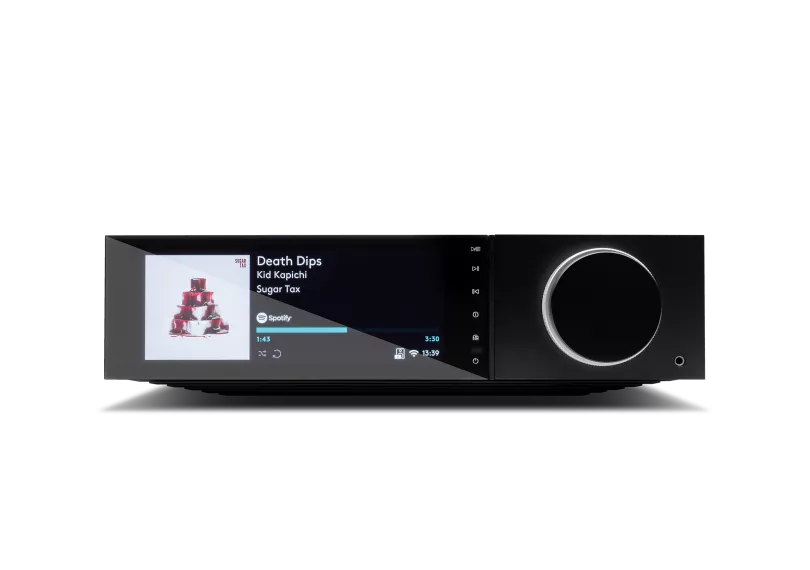
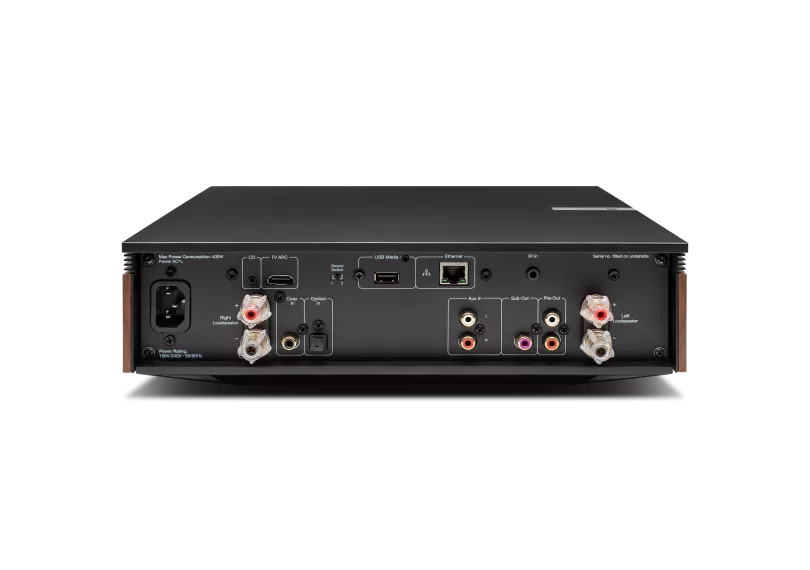
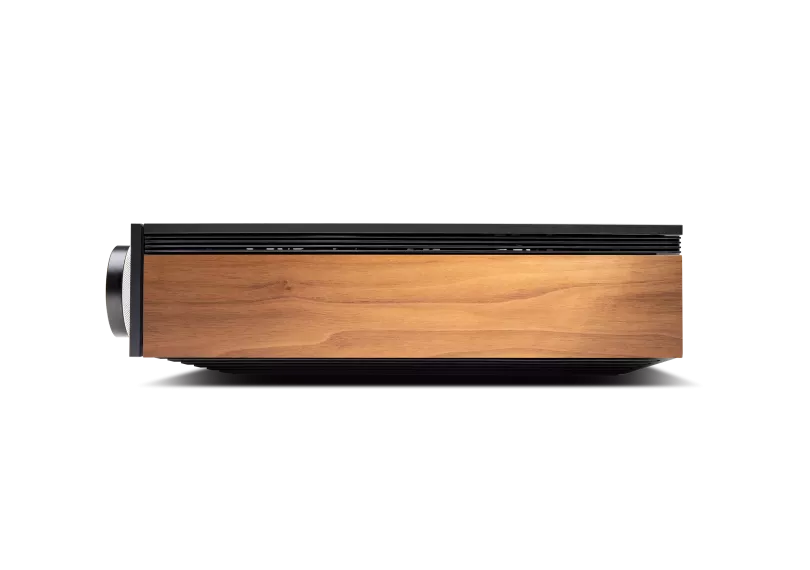
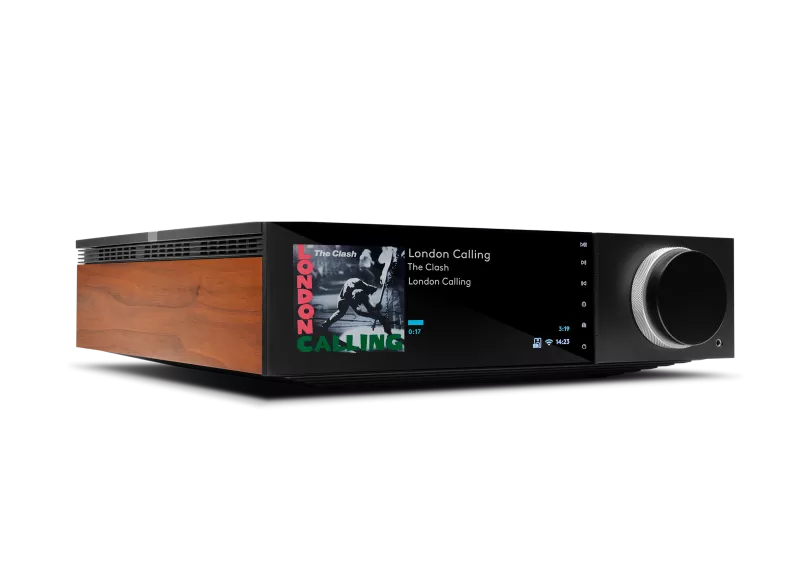
When it comes to home audio, I’m apt to identity as an enthusiast rather than anything near the committed obsessiveness of an audiophile. Yes, sound matters prominently when it comes to any options considered – but so does simplicity, accessibility and aesthetics, all before budget even comes into consideration (and let me tell you, it comes fast and hard for the wallet once you venture past the consumer end of audio gear). Living in a modest sized home also means the days of floor standing speakers and a stack of discrete components have fallen by the wayside for more integrated and simplified wi-fi powered solutions the last few years. But along came the Cambridge Audio Evo 75, an all-in-one network streaming system that cuts out compromise from the equation, delivering a high degree of performance with a customizable design that feels right at home alongside everything else that doesn’t require being plugged in.


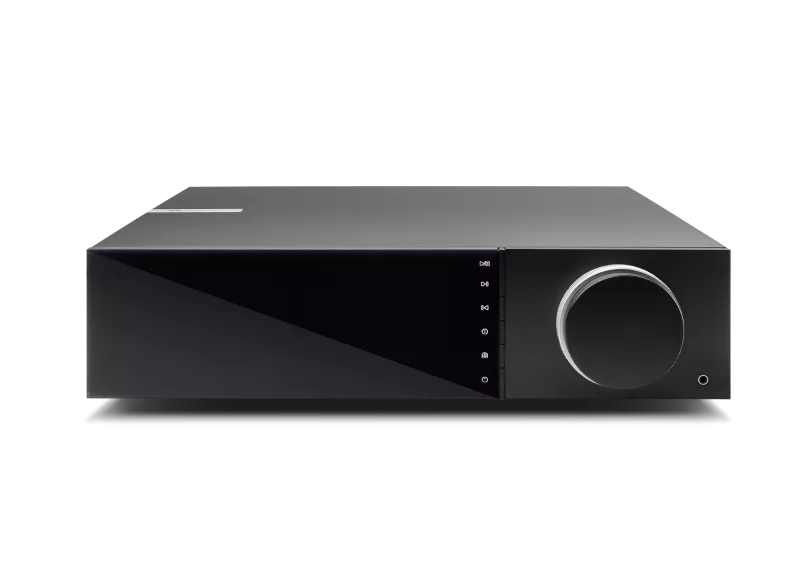
Over its span of 50 years, the English hi-fi company Cambridge Audio has carved out itself a place as one of the more established and respected brands within the audiophile realm, which makes the Cambridge Audio Evo 75 and 150 all-in-one players (alongside their complementary Evo S speakers and Evo CD) a notable diagonal incursion from the high end toward a more “lifestyle” oriented offering. It’s certainly one of the best looking audio component designs today, one that immediately looks like you can set it up within a living room, den or entertainment room and appear like it’s always meant to be on that bookshelf, cabinet or credenza.

Credit to Cambridge Audio’s lead designer Ged Martin for imparting both the Evo 75 and Evo 150 with a compact footprint embellished with a warmly contemporary design, one inspired by the brand’s 1968 designed P40 amplifier, the vague notion of “furniture and interior design”, alongside principles outlined by The Design of Everyday Things by Donald Norman, a cognitive scientist and usability engineer whose research emphasizes the importance of objects designed with details clearly communicating their function.

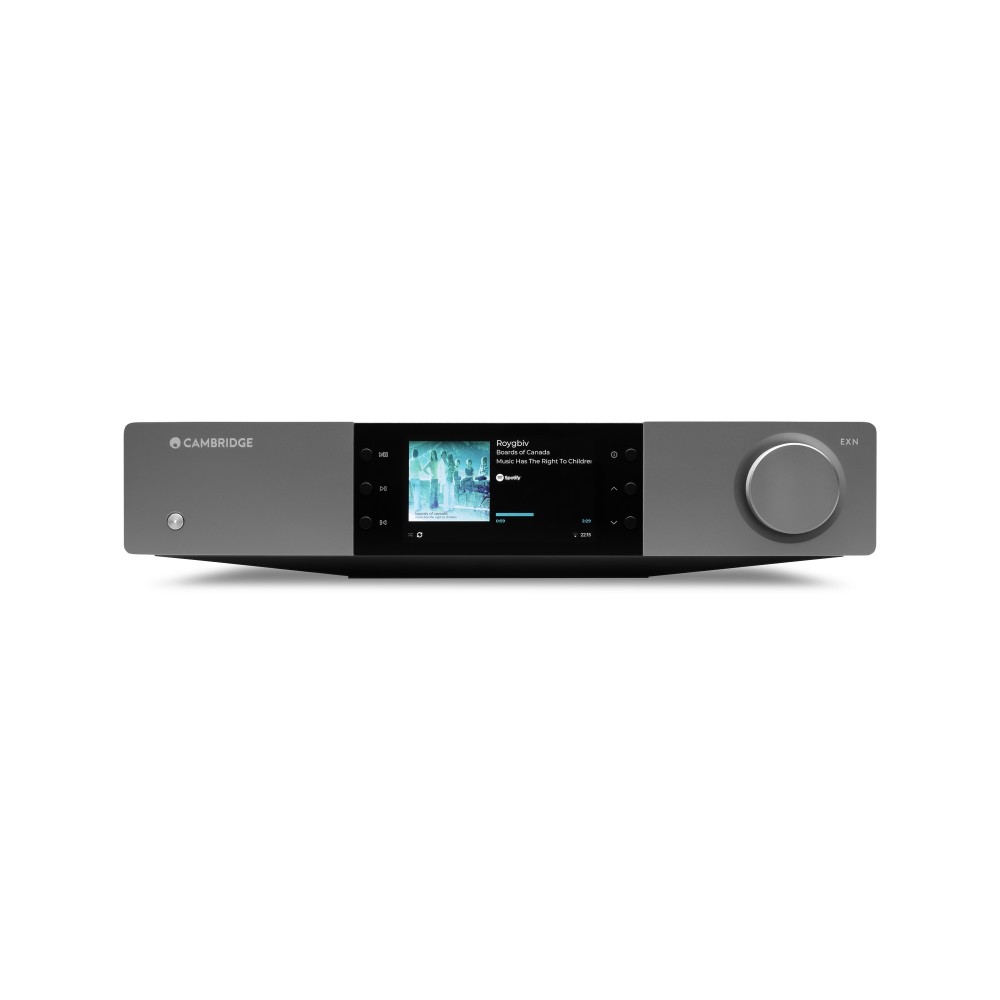
And to this point the Cambridge Audio Evo’s most prominent control – its large front concentric rotary dial – is both obvious to use and delivers a satisfying and confidently significant feel with every rotation. The primary front dial controls volume, while a secondary knurled aluminum dial is used to scroll through source options. A narrow band of vertically oriented buttons on the front is used to access power, playback controls and Bluetooth connectivity. An included remote offers access to these controls, as does a compatible app.

Reviews
There are no reviews yet.